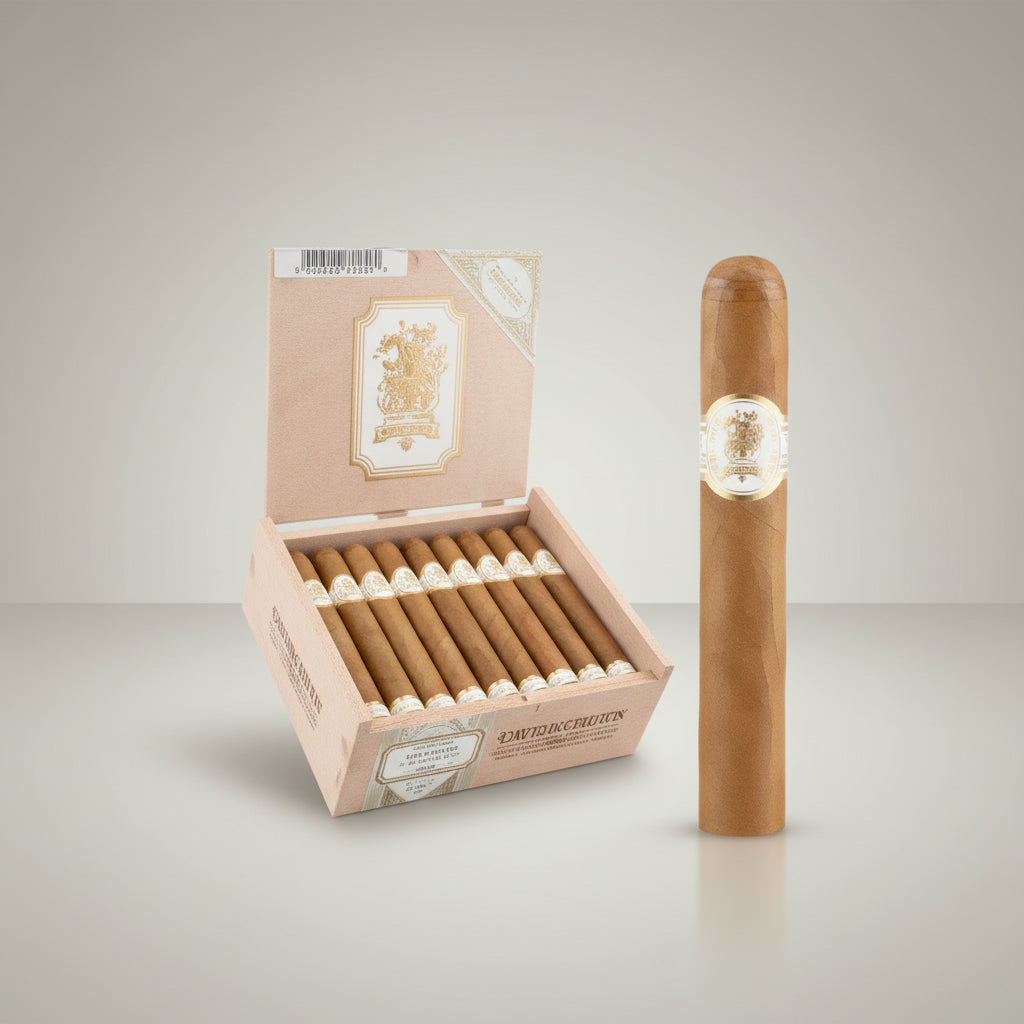
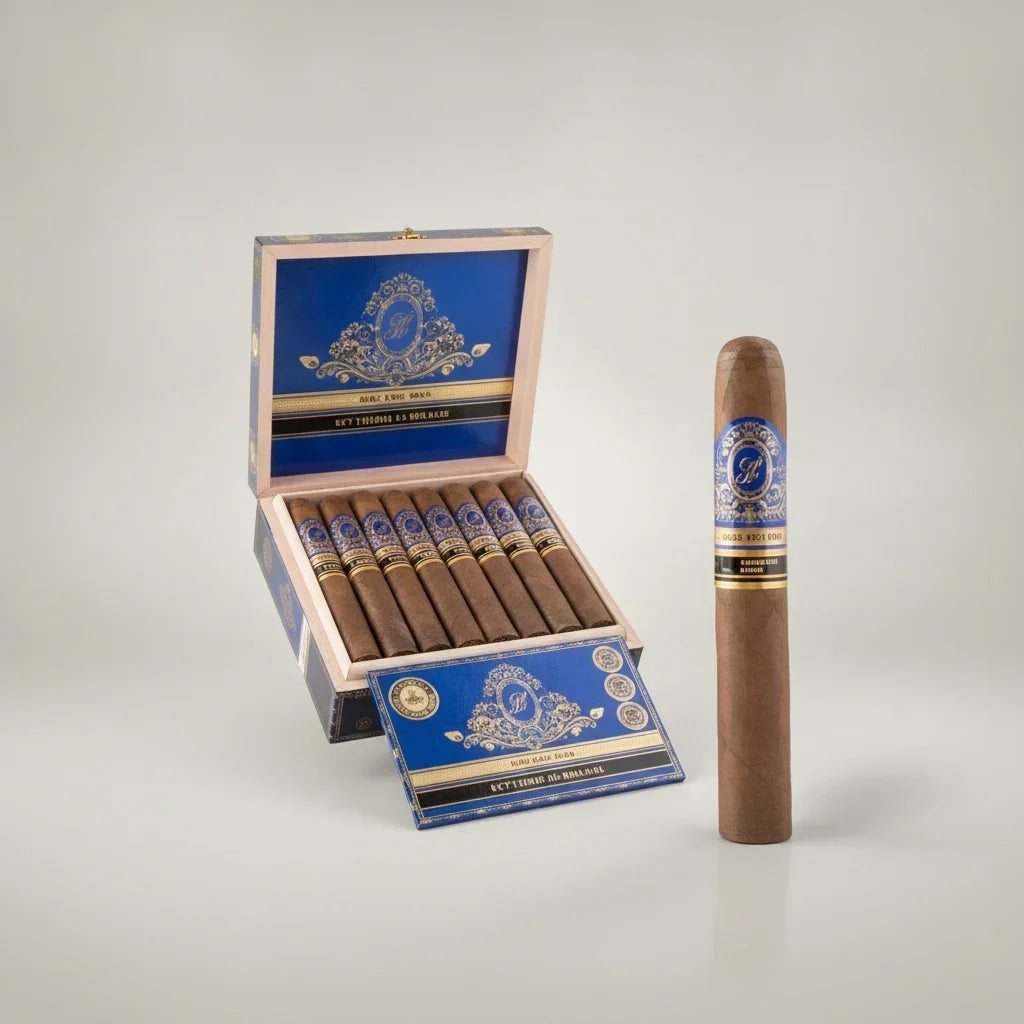
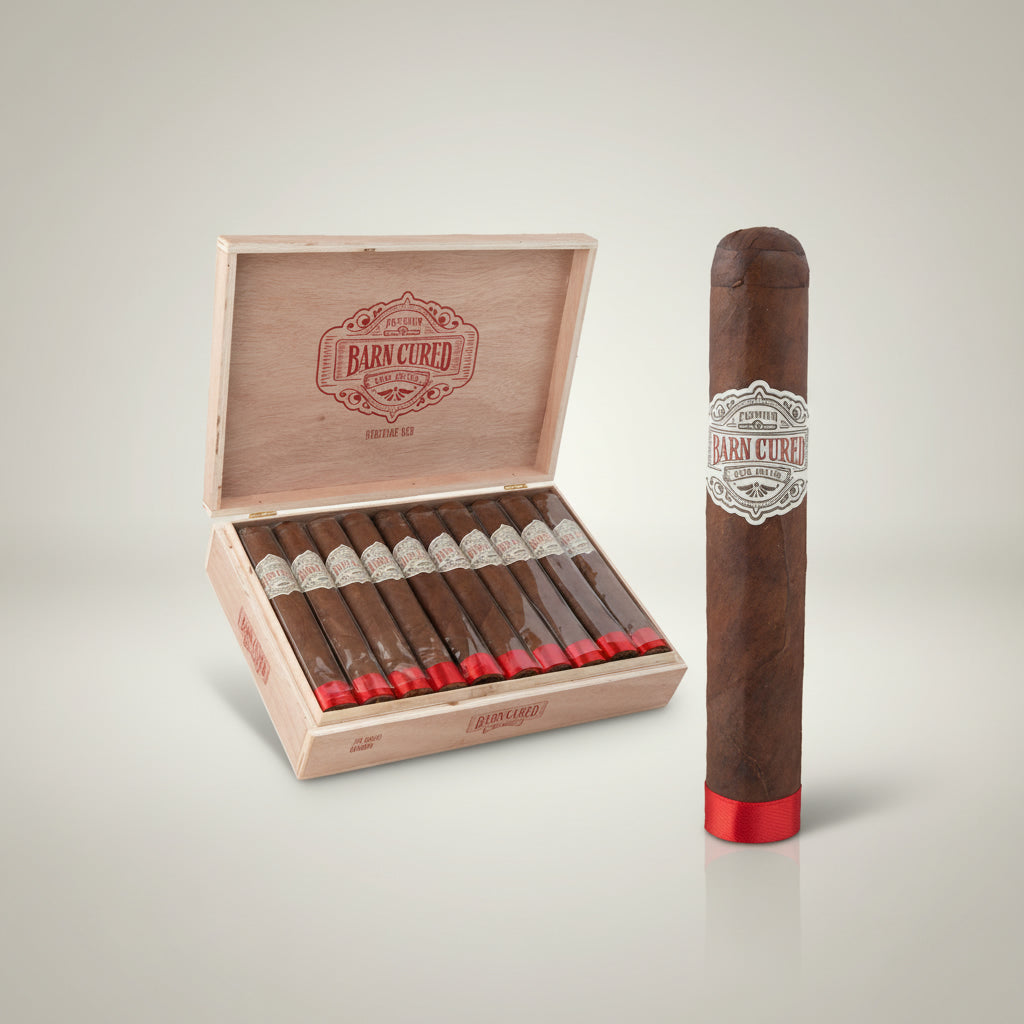
You pick up a cigar. It costs $12. The one next to it costs $4, and the one above it costs $30.
Nothing about looking at them explains the difference. They're all brown. They're all roughly cigar-shaped.
And unless someone walks you through what happened to that tobacco in the three to five years before it reached the shelf, the pricing looks arbitrary.
It isn't. Here's the actual journey.
It Starts as a Seed in a Tray
Cigar tobacco doesn't get sown directly into a field. It begins as a tiny seed planted in a tray in a greenhouse, and only once the seedlings reach a few inches does anyone move them out to the fields. That transplant is done by hand, plant by plant. cigaraficionado
Then it grows — and this is where the first real distinction appears. A tobacco plant is not uniform. The leaves near the top get hammered by sunlight all day. They come out thick, oily, dark and powerful.
Those are ligero. Move down the stalk and the leaves get progressively gentler and more aromatic: viso in the middle, seco lower down. Lower-priming leaves are more nuanced in flavor and burn better, while a full-bodied blend leans on more ligero. cigaraficionado
So already, before harvest, one plant has produced several different ingredients. A blender treats them as separate materials, because they are.
Harvest is manual too. Leaves get picked in stages as they ripen, not all at once — you go through the same field multiple times over weeks.
The Curing Barn
Freshly picked tobacco is green, wet and completely unsmokeable. It goes into a curing barn, gets hung up, and slowly turns brown as the chlorophyll breaks down and moisture leaves the leaf.
This is just drying. Nothing has been improved yet.
Fermentation: The Part That Actually Matters
Here's the stage nobody outside the industry knows about, and it's the one that separates a good cigar from a harsh one.
Cured tobacco is stacked into enormous piles called pilónes. The only thing added is water. The weight of the pile creates pressure, and the microbial and enzymatic breakdown inside generates its own heat. cigaraficionado
Someone checks the internal temperature daily. When it hits the target, the whole pile gets taken apart, rotated by hand, and rebuilt. Then it happens again. And again. cigaraficionado
Cigar
Why bother? Because fermentation makes tobacco taste better — it strips out astringency and bitterness and brings forward the nuttier, sweeter, more floral character. Skip it or rush it and you get harshness and an ammonia smell. cigaraficionadocigaraficionado
This is why cheap cigars taste the way they do. Fermentation costs time, labor, and warehouse space, and it's the easiest corner to cut because the customer can't see it. They can only taste it.

Then It Waits
After fermentation, leaves get baled up tight and left alone — often for years. Aging polishes the tobacco and clears out the vegetal, "green" notes. cigaraficionado
If you've ever smoked something that tasted faintly like cut grass or raw green beans, that's under-aged tobacco. Properly aged leaf reads more like almond, raisin, orange blossom. cigaraficionado
Now count what a manufacturer has spent so far: several years of storage on inventory that generates zero revenue, plus the labor to maintain it. That's real money sitting in a warehouse doing nothing but getting better.
The Roller
Before rolling, the leaves are rehydrated in a misting room and sorted by color and grade. Wrapper leaves have their central vein stripped out.
Then a torcedor receives a daily allotment of specific tobaccos in specific proportions and builds each cigar by hand — bunching the filler, wrapping the binder, applying the wrapper, finishing the cap.
Two things worth understanding here.
First, the wrapper is the single most expensive component per pound, and not because it tastes the best. It's because it has to look flawless — too veiny, too rough, any blemish at all, and the leaf gets demoted out of the wrapper category entirely. You're paying for cosmetics. cigaraficionado
Second, the binder is frequently the same tobacco as the wrapper, just less pretty. Same leaf, different job, no one sees it. cigaraficionado
Construction is not a minor detail. A badly built cigar won't draw or burn correctly no matter how good the raw materials are — which is why a $30 cigar with a plugged draw is worth less than a $6 cigar that smokes cleanly. cigaraficionado
And Then It Ages Again
Finished cigars go into an aging room so the tobaccos marry and the humidity stabilizes. Then they're banded, boxed, and shipped.
Total elapsed time from seed: commonly three to five years, sometimes considerably longer.
So What Does This Say About Price?
Two things, and they pull in opposite directions.
Expensive doesn't guarantee better. Inexpensive cigars sometimes outscore pricey ones in Cigar Aficionado's blind tastings. A $30 cigar might simply be built around a flavor profile or strength level you don't enjoy. Paying more buys you better materials and more careful production — it does not buy you your taste. cigaraficionado
But cost usually reflects something real.
Longer fermentation and aging cycles, low-yielding tobacco varietals, stricter grading, more experienced rollers — these are genuine expenses, not markup. When a premium cigar is expensive, the price is generally justified by something, even if that something doesn't happen to matter to your palate. cigaraficionado
The practical takeaway: your ceiling isn't a number, it's a threshold where you stop noticing improvement. Some people find it at $9. Some at $22. Buy singles across a range and find yours — that's information no review can give you.
What This Changes
Mostly, it changes your pacing.
When you know that leaf spent four years being fermented, rotated, baled, aged, rolled and aged again — and that it passed through an enormous number of hands to get to you — smoking it in fifteen minutes starts to feel like eating a slow-braised short rib standing over the sink.
Slow down. It's the only part of the process you actually control.

Bistro Cigars stocks by how a cigar smokes, not what it costs. Tell us your range and we'll show you what's punching above it.
Bistro Cigars sells premium handmade cigars to adults 21 and over. Cigars are not a safe alternative to cigarettes, and all tobacco products carry health risks including addiction and cancer.